
Reliable electricity is no longer optional for commercial buildings in the UAE. From high-rise office towers in Dubai to logistics hubs in Sharjah and industrial facilities in Abu Dhabi, uninterrupted power directly affects operations, safety, compliance, and profitability.
A modern commercial backup power system protects businesses from:
- Grid failures
- Voltage fluctuations
- Equipment shutdowns
- Data loss
- HVAC interruptions
- Operational downtime
The UAE’s climate, rapid infrastructure growth, and increasing dependence on smart building systems make emergency power infrastructure a critical investment for facility managers, MEP consultants, commercial developers, and procurement teams.
This QSM LLC guide explains how commercial backup systems work, the best technologies available, UAE compliance requirements, pricing considerations, and how businesses can choose the right solution.
Why Commercial Buildings in UAE Need Backup Power
Commercial properties rely heavily on continuous electricity to support:
- Elevators
- HVAC systems
- Servers and data centers
- Building Management Systems (BMS)
- Security systems
- Fire protection infrastructure
- Retail POS systems
- Telecom equipment
Even a short outage can lead to:
- Revenue loss
- Tenant complaints
- Data corruption
- Operational shutdown
- Equipment damage
In cities like Dubai and Abu Dhabi, many buildings operate around the clock. Hotels, hospitals, warehouses, retail malls, and financial institutions cannot tolerate downtime.
Backup power systems ensure operational continuity while supporting compliance with UAE safety regulations.
What Is a Commercial Backup Power System?
A commercial backup power system provides temporary or continuous electricity during utility outages using technologies such as:
- Diesel generators
- UPS systems
- Battery Energy Storage Systems (BESS)
- Solar hybrid systems
These systems work together to maintain uninterrupted operations during power disruptions.
Main Types of Power Backup Solutions in UAE
1. Diesel Generators
Diesel generators remain the most widely used backup power solution for commercial buildings across the UAE.
Best Applications
- Commercial towers
- Hotels
- Hospitals
- Manufacturing facilities
- Warehouses
- Shopping malls
Advantages
- Long runtime capability
- High power capacity
- Reliable for extended outages
- Strong performance under heavy loads
Limitations
- Fuel storage requirements
- Higher maintenance needs
- Noise emissions
- Environmental concerns
Common Generator Brands in UAE
Popular commercial generator brands include:
- Cummins
- Caterpillar
- Perkins
- FG Wilson
These brands are commonly used in mission-critical infrastructure due to reliability and service availability.
2.UPS Systems
An Uninterruptible Power Supply (UPS) provides immediate backup power during outages.
UPS systems bridge the gap between utility failure and generator startup.
Common UAE Applications
- Data centers
- Banking infrastructure
- Smart buildings
- Healthcare facilities
- Office IT rooms
Types of UPS Systems
| UPS Type | Best Use Case | Response Time |
| Offline UPS | Small office equipment | Milliseconds |
| Line-Interactive UPS | SMEs | Fast |
| Online Double Conversion UPS | Mission-critical systems | Instant |
Leading UPS Brands
Commercial buildings in UAE frequently use:
- APC
- Eaton
- Schneider Electric
- Vertiv
Why Online UPS Is Preferred
Online UPS systems provide:
- Voltage regulation
- Frequency stabilization
- Surge protection
- Zero transfer time
This is critical for sensitive digital infrastructure.
3. Battery Energy Storage Systems (BESS)
Battery Energy Storage Systems are becoming increasingly popular in UAE commercial projects.
These systems store electricity for backup usage and support energy optimization strategies.
Common Battery Types
| Battery Technology | Lifespan | Maintenance | Commercial Suitability |
|---|---|---|---|
| Lead-Acid | Moderate | High | Budget projects |
| Lithium-Ion | High | Low | Premium commercial use |
| LFP Batteries | Very High | Low | High-safety applications |
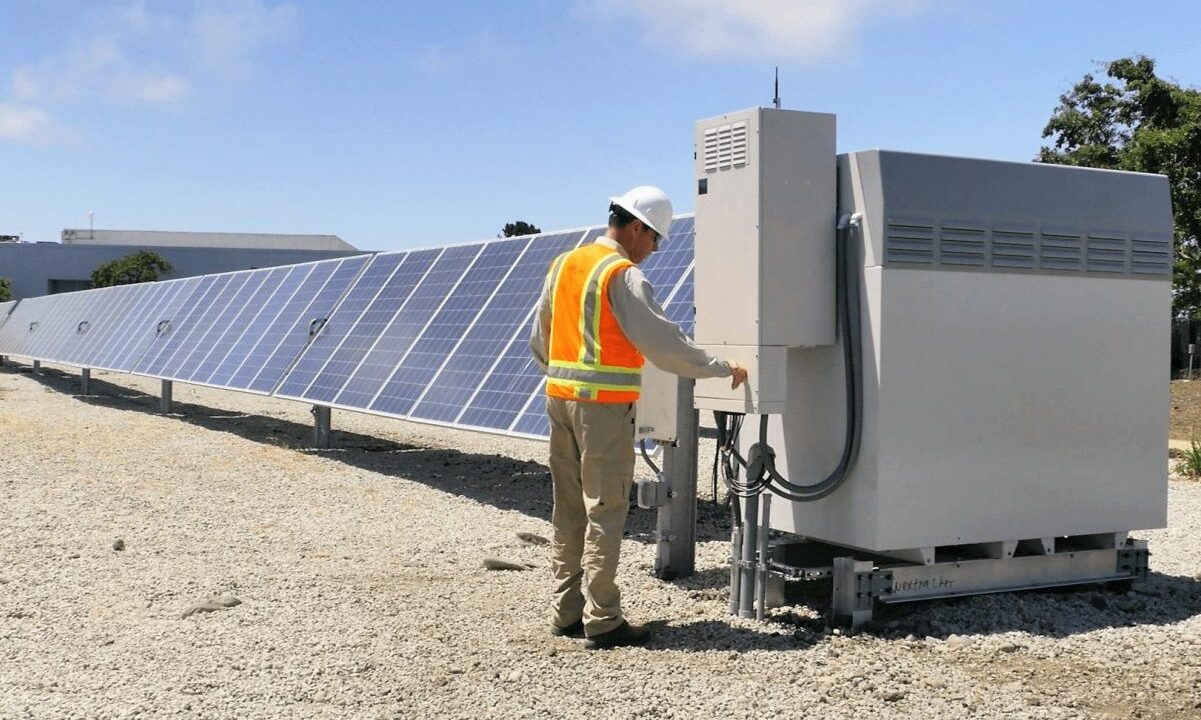
4. Solar Hybrid Backup Systems
Solar hybrid systems combine:
- Solar PV panels
- Battery storage
- UPS systems
- Backup generators
- Smart energy management software
These systems reduce operational energy costs while improving sustainability.
Best Applications
- Smart buildings
- Hotels
- Commercial campuses
- Warehouses
- Green-certified developments
Why UAE Is Ideal for Solar Backup
The UAE receives strong solar irradiance throughout the year, making commercial solar backup systems highly effective.
Businesses increasingly adopt hybrid systems to:
- Reduce diesel consumption
- Improve ESG performance
- Lower electricity bills
- Support sustainability targets
UPS vs Generator vs Battery Storage
Which Backup Power Solution Is Best?
| Feature | UPS | Generator | Battery Storage |
| Instant Power | Yes | No | Yes |
| Runtime | Short | Long | Medium |
| Fuel Needed | No | Yes | No |
| Noise Level | Silent | Loud | Silent |
| Emissions | None | High | Low |
| Maintenance | Medium | High | Low |
| Best For | IT systems | Whole buildings | Hybrid backup |
Best Choice for Most UAE Commercial Buildings
Most facilities use a combination of:
- UPS for immediate backup
- Generator for long-duration outages
- Battery storage for efficiency and optimization
How Commercial Backup Systems Work
Step-by-Step Power Transfer Process
Step 1: Utility Failure Detection
An Automatic Transfer Switch (ATS) detects a grid failure.
Step 2: UPS Activates Instantly
Critical systems continue operating without interruption.
Step 3: Generator Starts
The standby generator powers up within seconds.
Step 4: ATS Transfers the Load
Electrical load transfers from utility power to generator power.
Step 5: Smart Energy Management Optimizes Usage
Advanced systems balance:
- HVAC demand
- Critical loads
- Battery usage
- Fuel consumption
How to Choose the Right Backup Power Solution
Step 1: Identify Critical Loads
Determine which systems require uninterrupted power.
Typical critical loads include:
- Servers
- Elevators
- HVAC systems
- Fire alarms
- Security systems
- Medical equipment
Step 2: Calculate Power Demand
Measure:
- Total kW demand
- Starting current
- kVA requirements
- Runtime expectations
Incorrect sizing is one of the biggest causes of backup system failure.
Step 3: Define Runtime Goals
| Runtime Goal | Recommended Solution |
| 15–30 minutes | UPS only |
| 2–6 hours | Generator + UPS |
| 24+ hours | Generator + fuel reserve |
| Sustainability-focused | Solar hybrid + BESS |
Step 4: Evaluate Redundancy Needs
Mission-critical buildings often require:
- N+1 redundancy
- Dual generators
- Parallel UPS systems
This prevents single-point failures.
Step 5: Consider Future Expansion
Commercial buildings in Dubai and Abu Dhabi frequently expand electrical loads over time.
Scalable backup systems reduce future replacement costs.
Backup Power Solutions by Building Type
Office Buildings
Recommended Setup
- Online UPS
- Diesel generator
- Remote monitoring system
Key Priorities
- Internet uptime
- Elevator continuity
- HVAC support
- IT infrastructure protection
Hospitals
Hospitals require the highest level of reliability.
Essential Components
- Medical-grade UPS
- N+1 generators
- Battery storage
- Fast ATS systems
Why Redundancy Matters
Life-support equipment cannot tolerate interruptions.
Data Centers
Data centers in UAE demand Tier III or Tier IV uptime standards.
Recommended Architecture
- Modular UPS systems
- Parallel generators
- Lithium-ion battery storage
- Precision cooling backup
Key Focus Areas
- Voltage stability
- Runtime redundancy
- Remote diagnostics
- Predictive maintenance
Read our guide on data center uptime strategies for additional planning insights.
Warehouses and Logistics Hubs
Sharjah and Northern Emirates have growing logistics infrastructure requiring reliable backup systems.
Priority Loads
- Refrigeration systems
- Warehouse automation
- Security systems
- Loading operations
Hotels and Hospitality
Hotels require uninterrupted guest services.
Critical Systems
- HVAC
- Lighting
- Kitchen operations
- Elevators
- Guest room systems
Hybrid generator and battery solutions help reduce operational fuel costs.
UAE Compliance Requirements for Commercial Backup Systems
Key Authorities
Commercial backup systems in UAE commonly involve compliance with:
- DEWA
- ADDC
- Dubai Civil Defence
- UAE Fire & Life Safety Code
- NFPA standards
Important Compliance Areas
Fuel Storage Compliance
Diesel fuel storage requires:
- Ventilation systems
- Fire suppression
- Spill containment
- Safety labeling
Acoustic Regulations
Commercial generators must meet local noise regulations, especially in mixed-use developments.
Ventilation Standards
Generator rooms require:
- Proper airflow
- Heat dissipation
- Exhaust management
This is especially important in UAE’s extreme climate.
Civil Defence Approvals
Commercial installations often require:
- Approved fire systems
- Emergency shutdown procedures
- Proper cable routing
- Safety inspections
Generator Sizing for Commercial Buildings
How to Size a Commercial Generator
Step 1: List All Connected Equipment
Include:
- HVAC systems
- Elevators
- Pumps
- Lighting
- Servers
Step 2: Identify Starting Loads
Motors and compressors require higher startup current.
Step 3: Calculate Total Load Demand
Use professional load analysis to determine:
- Running kW
- Starting kVA
- Surge requirements
Step 4: Add Safety Margin
Most engineers recommend additional capacity for future growth.
Diesel vs Gas Generators
| Feature | Diesel Generator | Gas Generator |
|---|---|---|
| Fuel Availability | High | Medium |
| Emissions | Higher | Lower |
| Runtime Reliability | Excellent | Good |
| Maintenance | Moderate | Moderate |
| UAE Adoption | Very High | Growing |
Why Diesel Still Dominates
Diesel generators remain preferred because of:
- Fuel accessibility
- High torque
- Proven reliability
However, cleaner gas-powered systems are growing in popularity.
Solar Backup Systems for UAE Commercial Buildings
Can Solar Replace Generators?
Not completely for most large commercial facilities.
However, solar hybrid systems can significantly reduce:
- Fuel consumption
- Peak demand charges
- Carbon emissions
Benefits of Hybrid Solar Systems
Lower Operational Costs: Solar reduces daytime grid dependence.
Improved Sustainability: Supports ESG initiatives and green certifications.
Reduced Generator Runtime: Lower wear and maintenance requirements.
Peak Shaving: Battery systems reduce electricity demand during high tariff periods.
Smart Energy Management Systems
Modern commercial buildings increasingly integrate backup power with smart energy platforms.
Common Features
- IoT monitoring
- Remote diagnostics
- Predictive maintenance
- AI-driven load balancing
- Real-time alerts
Benefits of Smart Integration
| Feature | Operational Benefit |
|---|---|
| Predictive maintenance | Reduced downtime |
| Energy analytics | Lower energy costs |
| Remote monitoring | Faster response |
| Smart load management | Better efficiency |
Maintenance Best Practices
Backup systems fail most often due to poor maintenance.
Recommended Maintenance Schedule
| Component | Frequency |
|---|---|
| Generator inspection | Monthly |
| UPS battery testing | Quarterly |
| Fuel quality checks | Semi-annually |
| Load bank testing | Annually |
Critical Maintenance Tasks
Inspect:
- Battery health
- Cooling systems
- ATS functionality
- Fuel contamination
- Electrical connections
Test:
- Runtime capability
- Automatic startup
- Transfer switching
- Load balancing
Read our guide on UPS maintenance best practices for detailed preventive maintenance planning.
Common Mistakes Businesses Make
1. Undersized Generators
Small generators overload during emergencies.
2. Ignoring HVAC Loads
Cooling systems consume significant power in UAE buildings.
3. No Redundancy Planning
Single-point failures create operational risk.
4. Delayed Maintenance
Unmaintained systems often fail during real outages.
5. Poor Fuel Management
Contaminated diesel reduces generator reliability.
Commercial Backup Power Costs in UAE
What Impacts Pricing?
Several factors influence total project cost:
- Building size
- Runtime requirements
- Generator capacity
- Battery technology
- Installation complexity
- Redundancy requirements
- Compliance approvals
Typical UAE Cost Ranges
| Solution Type | Typical Price Range |
|---|---|
| Small UPS systems | AED 5,000–25,000 |
| Medium commercial generators | AED 50,000–300,000+ |
| Battery storage systems | AED 100,000+ |
| Hybrid solar backup | Project dependent |
CAPEX vs OPEX
CAPEX Includes
- Equipment purchase
- Installation
- Engineering design
- Civil works
OPEX Includes
- Fuel
- Maintenance
- Battery replacement
- Service contracts
Lifecycle economics matter more than initial purchase price alone.
Choosing a Backup Power Provider in UAE
What to Look For
UAE Compliance Experience
Choose providers familiar with:
- DEWA requirements
- Civil Defence approvals
- UAE installation standards
Technical Capability
Look for experience with:
- High-rise towers
- Data centers
- Industrial facilities
- Smart buildings
Service Support
Reliable providers offer:
- 24/7 emergency support
- Multi-emirate coverage
- On-site maintenance
- Remote diagnostics
Questions to Ask Before Hiring
- What redundancy level do you recommend?
- What runtime can the system support?
- Is the system scalable?
- What maintenance contracts are available?
- Are spare parts locally available?
- Does the system support remote monitoring?
Future Trends in UAE Commercial Backup Power
Lithium-Ion Battery Adoption
Lithium-ion systems are replacing traditional lead-acid batteries because they offer:
- Longer lifespan
- Faster charging
- Lower maintenance
- Smaller footprint
AI-Driven Energy Optimization
AI-powered systems improve:
- Load forecasting
- Fuel efficiency
- Predictive maintenance
- Energy optimization
Smart Grid Integration
Commercial buildings increasingly connect backup systems with:
- Smart grids
- Renewable energy systems
- Building Management Systems
Sustainability Regulations
UAE sustainability initiatives continue driving adoption of:
- Hybrid systems
- Solar integration
- Efficient energy storage
- Low-emission infrastructure
Final Thoughts
Commercial buildings in UAE face increasing pressure to maintain uninterrupted operations while improving energy efficiency and meeting compliance requirements.
The right backup power solution depends on:
- Building type
- Runtime expectations
- Critical load requirements
- Sustainability goals
- Operational budget
For most commercial facilities, the most effective strategy combines:
- UPS systems for instant backup
- Generators for extended runtime
- Battery storage for optimization
- Smart energy management for efficiency
Businesses that invest in properly engineered backup infrastructure reduce operational risk, improve resilience, and create long-term cost stability.
Whether you operate a data center in Dubai, a warehouse in Sharjah, or a commercial tower in Abu Dhabi, choosing the right power continuity solution is essential for reliable business operations.
FAQs
What is the best power backup solution for commercial buildings in UAE?
Most commercial buildings benefit from a hybrid setup combining UPS systems, generators, and battery storage for maximum reliability and operational continuity.
How much does a commercial generator cost in UAE?
Commercial generator pricing typically ranges from AED 50,000 to AED 300,000+ depending on size, runtime, and installation complexity.
Is UPS better than generator backup?
UPS systems provide instant short-term backup, while generators provide long-duration power. Most businesses use both together.
How long can commercial UPS systems run?
Runtime depends on battery capacity and connected load. Most systems support 15 minutes to several hours.
Are solar battery systems reliable in UAE?
Yes. UAE’s strong solar conditions make solar battery systems increasingly reliable and cost-effective for commercial applications.
What size generator does a commercial building need?
Generator size depends on total building load, startup current requirements, HVAC demand, and desired runtime.
What is an ATS in a backup power system?
An Automatic Transfer Switch detects power outages and transfers the electrical load from utility power to backup power.
How often should commercial generators be serviced?
Most generators require monthly inspections, quarterly testing, and annual load bank testing.
What is N+1 redundancy?
N+1 redundancy means having one additional backup component beyond operational requirements to reduce failure risk.
Can battery storage replace diesel generators?
Battery storage can reduce generator use but cannot fully replace generators for long-duration backup in most large commercial buildings.
Which industries need backup power the most in UAE?
High-priority industries include:
- Data centers
- Hospitals
- Hotels
- Manufacturing
- Logistics
- Commercial towers
Why is HVAC backup important in UAE buildings?
Extreme UAE temperatures make HVAC systems essential for occupant safety, equipment cooling, and operational continuity.