

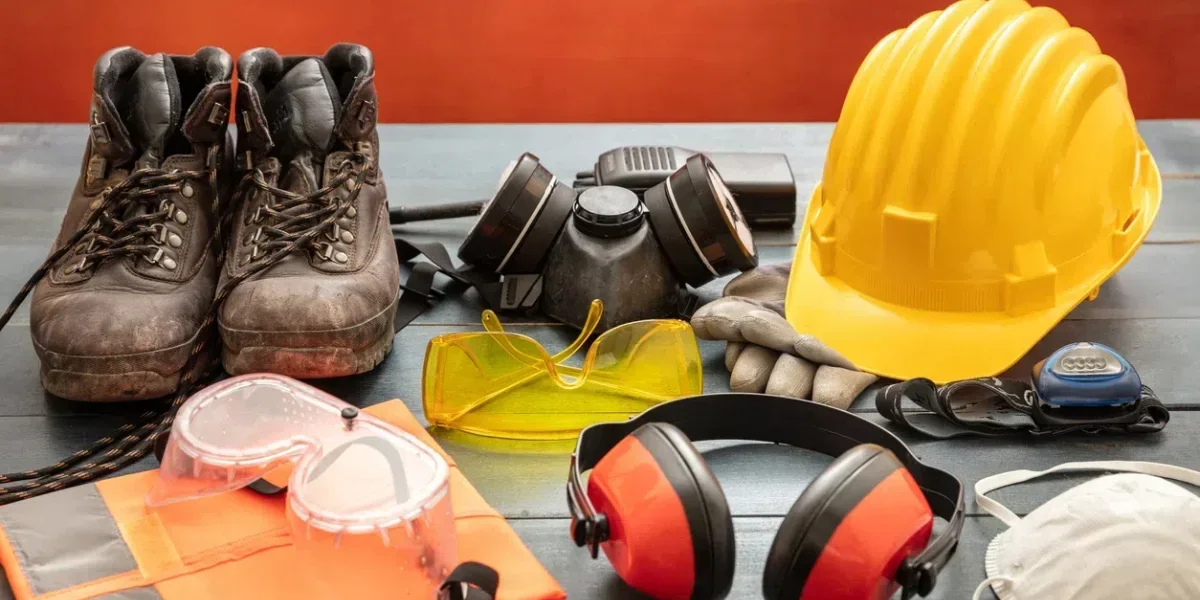
Industrial operations in the UAE and Gulf region involve complex hazards ranging from chemical exposure to heavy machinery risks, high temperatures, and electrical threats. For B2B organizations, ensuring workplace safety is both a regulatory requirement and a critical business strategy. Industrial safety equipment encompasses tools, protective gear, and monitoring systems that reduce accidents, ensure compliance with ISO 45001, OSHA, NFPA, and regional safety standards, and maintain workforce productivity.
This guide provides a comprehensive overview of safety equipment, cost considerations, supplier insights, regulatory compliance, and practical implementation steps tailored for the UAE and Gulf countries.
Why Industrial Safety Equipment Matters
Industrial safety equipment is essential for protecting employees, reducing liability, and maintaining operational continuity. The right systems and gear prevent injuries, minimize production downtime, and protect companies from costly penalties. Key benefits include:
- Worker Protection: Shields employees from falls, burns, chemical exposure, and electrical hazards.
- Regulatory Compliance: Ensures adherence to ISO 45001, OSHA 1910, NFPA 70E, and local GSO safety codes.
- Operational Continuity: Reduces disruptions from workplace accidents.
- Insurance Benefits: Demonstrates safety diligence, potentially lowering premiums.
For B2B decision-makers in UAE and Gulf facilities, investing in safety equipment is a risk mitigation strategy with tangible operational and legal benefits.
Key Standards and Regulations
Industrial safety equipment must meet globally recognized standards as well as GCC-specific regulations. Organizations should prioritize the following:
- ISO 45001: International occupational health and safety management standard.
- OSHA 1910: U.S.-based safety standards often adopted by multinational industrial companies.
- NFPA 70E: Electrical safety and fire risk management standards.
- ANSI Z87.1: Eye and face protection requirements.
- IEC 60947: Industrial electrical equipment standards.
- GSO Compliance: UAE and GCC-specific regulatory compliance for industrial gear.
Meeting these standards ensures equipment reliability, legal compliance, and employee trust.
Main Categories of Industrial Safety Equipment
Industrial safety equipment can be grouped into five primary categories:
1. Personal Protective Equipment (PPE)
PPE is the frontline defense against workplace hazards. It includes:
- Hard Hats: Protection against falling objects.
- Safety Goggles & Face Shields: Eye and face protection from debris, chemicals, and sparks.
- Respirators: Prevent inhalation of toxic gases or dust.
- Gloves: Chemical-resistant, cut-resistant, or insulated for electrical work.
- Steel-Toe Boots: Protect feet from heavy impacts.
- Hearing Protection: Earplugs and earmuffs for high-noise environments.
Selection depends on hazard type, exposure duration, and environmental conditions.
2. Fall Protection Systems
Critical for construction and elevated operations:
- Safety harnesses
- Lifelines and lanyards
- Guardrails
- Anchor systems
These systems reduce the risk of fatal or severe injuries.
3. Fire Protection Equipment
Fire safety is vital in industrial facilities handling combustible materials:
- Fire extinguishers and suppression systems
- Smoke detectors and alarms
- Emergency evacuation signage
- Sprinkler systems
Regular inspection and maintenance are mandatory to comply with NFPA standards.
4. Hazard Detection Devices
Monitoring environmental risks prevents workplace incidents:
- Gas detectors for toxic or combustible gases
- Radiation monitors in specialized facilities
- Temperature sensors and chemical leak detectors
Integration with smart systems enables real-time alerts and predictive maintenance.
5. Lockout-Tagout (LOTO) Systems
LOTO prevents accidental machine activation during maintenance:
- Lockout devices for circuit breakers and valves
- Tagging systems to identify energy sources
- Comprehensive energy control procedures
Proper LOTO implementation minimizes downtime and injuries.
Industrial Safety Equipment by Industry
Construction
- Fall arrest systems, helmets, high-visibility vests
- Scaffolding safety rails and guard systems
- Gas detectors for confined spaces
Manufacturing
- Machine guards, emergency stop switches
- Chemical-resistant gloves and PPE
- Lockout-tagout procedures for machinery
Oil & Gas
- Flame-resistant clothing
- Breathing apparatus for toxic gas exposure
- Explosion-proof safety equipment
Chemical Processing
- Chemical-resistant suits and gloves
- Spill containment kits and eyewash stations
- Gas detectors and emergency showers
This industry-specific approach ensures hazard-specific protection for employees and compliance with safety standards.
How to Choose the Right Safety Equipment
Selecting industrial safety equipment requires a structured process:
- Identify Workplace Hazards: List physical, chemical, electrical, and ergonomic risks.
- Conduct Risk Assessment: Evaluate severity and likelihood of incidents.
- Determine Regulatory Requirements: Align equipment with ISO, OSHA, NFPA, and local regulations.
- Select Certified Equipment: Choose products certified for performance and compliance.
- Train Workers: Ensure proper usage and handling.
- Monitor Compliance: Track inspections, maintenance schedules, and usage reports.
- Regularly Inspect and Replace: Remove damaged or expired equipment promptly.
Decision Matrix for Equipment Selection
| Hazard Type | Recommended Equipment |
| Falling objects | Hard hats, safety helmets |
| Chemical exposure | Chemical-resistant gloves, respirators, protective suits |
| High noise | Ear protection (earplugs, earmuffs) |
| Electrical hazards | Insulated gloves, protective clothing |
| Toxic gases | Gas detectors, respirators |
| Fire hazards | Fire extinguishers, alarms, suppression systems |
Cost of Industrial Safety Equipment in UAE & Gulf
Pricing varies by complexity, certification, and supplier:
| Equipment | Typical Price Range (USD) |
| Hard hats | $10 – $60 |
| Safety gloves | $5 – $50 |
| Safety harness | $80 – $400 |
| Gas detector | $200 – $1,500 |
| Fire extinguisher | $40 – $300 |
| PPE set per worker | $50 – $500 |
Budgeting for safety programs often accounts for 1–3% of operational costs. Local suppliers may offer package deals and maintenance services.
Industrial Safety Equipment Suppliers in UAE & Gulf
Businesses often search for local suppliers:
- Dubai: PPE distributors, industrial equipment stores, fire safety specialists
- Abu Dhabi: ISO-certified safety equipment suppliers, consulting firms
- Sharjah: Industrial safety distributors, maintenance contractors
Supplier types include: distributors, installers, consultants, and authorized maintenance providers. Many offer bilingual services (English & Arabic) and support regulatory compliance.
Near Me Considerations
- Map pack visibility for local searches
- Verified locations with reviews
- Proximity to industrial zones for faster delivery
Installation and Maintenance Best Practices
Proper installation and maintenance ensure safety equipment functions as intended:
- Conduct routine inspections
- Replace worn or damaged PPE immediately
- Schedule monthly audits for fall protection and fire safety systems
- Calibrate gas detectors and sensors regularly
- Train workers on emergency procedures
A structured maintenance plan extends equipment life and compliance.
Common Workplace Safety Mistakes
Many industrial accidents occur due to preventable errors:
- Improper PPE usage
- Lack of safety training
- Ignoring maintenance schedules
- Using non-certified equipment
- Poor hazard communication
Preventative measures include safety culture training, supervisory checks, and regular audits.
Emerging Trends in Industrial Safety
Technological innovations are reshaping workplace safety:
- Smart PPE: Wearable sensors monitor exposure and fatigue
- AI-Powered Monitoring: Real-time hazard detection and predictive analytics
- IoT Integration: Centralized dashboards track gas, temperature, and fire systems
- Virtual Safety Training: Simulations for high-risk scenarios
Adopting these trends reduces workplace accidents and improves operational efficiency.
Industrial Safety Checklist for Facilities
✔ PPE available for all employees
✔ Fall protection systems installed
✔ Fire safety equipment accessible and inspected
✔ Hazard detection systems operational
✔ Lockout-tagout procedures in place
✔ Workers trained in safety protocols
✔ Emergency response plans established
✔ Equipment maintenance schedule adhered to
✔ Supplier certifications verified
✔ Compliance audits documented
Conclusion
Industrial safety equipment is vital for protecting employees, ensuring regulatory compliance, and maintaining operational efficiency in UAE and Gulf facilities. A structured approach including hazard assessment, certified PPE, fire safety, fall protection, LOTO systems, and regular maintenance supports workplace safety and business sustainability.
Investing in advanced safety solutions, sourcing reliable GCC suppliers, and implementing procedural frameworks ensures not only compliance but also a culture of safety and operational excellence.
Frequently Asked Questions
What is industrial safety equipment?
Industrial safety equipment consists of PPE, hazard monitoring tools, fire safety devices, and LOTO systems designed to protect workers from accidents in industrial environments.
Why is PPE important in industrial workplaces?
PPE serves as the last line of defense against workplace hazards when engineering controls cannot fully mitigate risks.
What types of industrial safety equipment are there?
Personal protective equipment, fall protection systems, fire safety devices, hazard detection instruments, and lockout-tagout systems.
How do I select the right safety equipment?
Conduct hazard assessments, review regulatory requirements, choose certified equipment, train workers, and implement maintenance schedules.
Which industries require industrial safety equipment?
Construction, manufacturing, oil & gas, chemical processing, mining, and warehousing operations.
How much does industrial safety equipment cost in UAE?
PPE sets: $50–$500 per worker; Gas detectors: $200–$1,500; Fire equipment: $40–$300, depending on supplier and certification.
Where can I buy industrial safety equipment in UAE?
From certified distributors in Dubai, Abu Dhabi, Sharjah, and other GCC regions, including installers, consultants, and authorized maintenance providers.
How often should safety equipment be inspected?
Routine inspections are recommended monthly or quarterly, with annual calibration for critical systems like gas detectors and fire alarms.
What certifications should industrial safety equipment have?
ISO 45001, OSHA, NFPA, ANSI, IEC, and GCC GSO compliance certifications.
What are common mistakes when implementing safety equipment?
Incorrect PPE usage, lack of training, ignoring maintenance, using non-certified equipment, and insufficient hazard communication.
What are the latest trends in industrial safety?
Smart PPE, AI-based monitoring, IoT integration, and virtual safety training simulations.
How can companies improve safety compliance in Gulf countries?
Engage certified suppliers, maintain procedural documentation, implement audits, and train workers regularly in compliance with ISO/OSHA/GSO standards.
What is the difference between PPE and fall protection?
PPE protects individual workers, while fall protection systems actively prevent or arrest falls from heights.
Can gas detectors be integrated into smart systems?
Yes, modern detectors can transmit real-time alerts to dashboards and integrate with building safety networks for proactive risk management.
Why is lockout-tagout (LOTO) critical?
LOTO ensures that machinery cannot start unexpectedly during maintenance, preventing injuries and ensuring safe energy control.

1 Comment
[…] you are researching related equipment categories, read our guide industrial safety equipment for a broader look at the types of protection used across industrial […]