

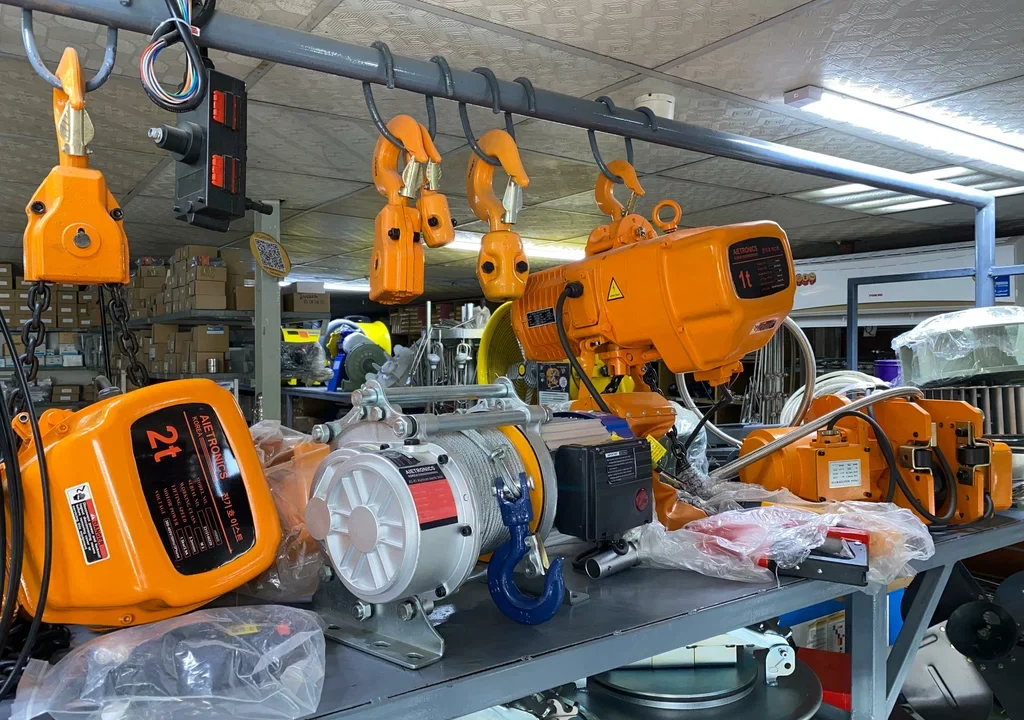
Choosing the right industrial equipment trading company in the UAE is not just a purchasing decision it’s a risk management decision.
For procurement managers, EPC contractors, plant managers, and industrial buyers, the supplier you select directly impacts:
- Project timelines
- Compliance with ISO and API standards
- Equipment lifecycle cost
- After-sales reliability
- Operational uptime
This guide explains exactly how to evaluate, compare, and select an industrial equipment supplier in UAE with practical steps that also apply when expanding sourcing into Saudi Arabia, Qatar, Oman, Kuwait, and Bahrain.
Why Supplier Selection Matters in the UAE Industrial Market
The UAE particularly Dubai, Abu Dhabi, Sharjah, and Ras Al Khaimah has a highly competitive industrial trading landscape. You’ll find:
- Mainland trading companies
- Free zone distributors in Jebel Ali Free Zone and KIZAD
- Authorized OEM agents
- Equipment rental companies
- Industrial B2B marketplaces
But not all are equal.
In sectors like oil and gas, construction, logistics, and industrial automation systems, one poor supplier decision can lead to:
- Warranty disputes
- Delayed shipments
- Non-compliant equipment
- Customs clearance problems
- Project penalties
The goal is not to find the cheapest industrial equipment supplier in UAE but the most reliable and compliant one.
Step-by-Step: How to Choose the Right Industrial Equipment Trading Company in UAE
To choose an industrial equipment trading company in UAE, verify licensing, OEM authorization, certifications, local support, and transparent pricing. Always confirm ISO/API compliance and spare parts availability.
Here is the full evaluation framework.
1. Verify Trade License and Legal Status
Before discussing pricing or brands, confirm legitimacy.
In Dubai, verify through the Dubai Department of Economy and Tourism.
In Abu Dhabi, use the Abu Dhabi Department of Economic Development portal.
Check:
- Active trade license
- Correct activity: Industrial Equipment Trading
- VAT registration
- Physical office address
Avoid suppliers who cannot provide official documentation.
Red Flag
Cash-only transactions or reluctance to share license copies.
2. Confirm OEM Authorization and Distributor Status
Many traders resell equipment without manufacturer approval.
Ask:
- Are you an authorized distributor?
- Can you provide OEM partnership documentation?
- Is warranty manufacturer-backed?
Difference between Trader vs Authorized Distributor:
| Criteria | Trader | Authorized Distributor |
| OEM Support | Limited | Direct |
| Warranty Handling | Complicated | Streamlined |
| Spare Parts | Often third-party | Genuine |
| Technical Training | Rare | Certified |
For heavy machinery UAE buyers and oil and gas equipment suppliers, OEM authorization is critical.
3. Evaluate Certifications and Compliance
Industrial equipment in the UAE must comply with recognized standards.
Key certifications include:
- ISO 9001 (quality management)
- ISO 45001 (safety management)
- CE marking (EU conformity)
- API standards (oil & gas equipment)
- ADNOC specifications (if working with ADNOC projects)
If supplying to oil and gas operators, confirm whether the supplier is an ADNOC approved supplier.
For certain categories, UAE Civil Defense approvals may also apply.
Never assume compliance request documentation.
4. Assess After-Sales Support and AMC Options
After-sales support separates serious suppliers from resellers.
Evaluate:
- Local technical support team
- On-site service capability
- Spare parts inventory in UAE
- Annual Maintenance Contract (AMC) availability
- SLA (Service Level Agreement) response time
For example:
A machinery trading company in Abu Dhabi with a warehouse in KIZAD will typically offer faster service than an overseas-only supplier.
Ask for:
- Emergency response timeline
- Preventive maintenance schedule
- Escalation procedures
5. Review Warehouse Presence and Inventory Capacity
A reliable industrial equipment supplier UAE-wide should have:
- Physical warehouse
- Documented stock levels
- Local spare parts availability
Suppliers operating from Jebel Ali Free Zone often provide logistics advantages for GCC shipments.
Free zone vs Mainland comparison:
| Factor | Free Zone Supplier | Mainland Supplier |
| GCC Export | Easier | Moderate |
| Local UAE Projects | Moderate | Easier |
| Customs Flexibility | High | Standard |
| VAT Handling | Structured | Standard |
Your project scope determines the better choice.
6. Compare Pricing Models and Total Cost of Ownership (TCO)
Industrial equipment price UAE varies based on:
- Import origin (EU, China, US)
- Shipping cost
- Customs clearance
- Warehouse holding cost
- Bulk discounts
- Long-term contract negotiation
Instead of focusing only on upfront cost, evaluate Total Cost of Ownership:
- Maintenance cost
- Spare part pricing
- Downtime risk
- Warranty coverage
- Energy efficiency
Low-cost suppliers often lack after-sales infrastructure, increasing long-term expense.
7. Validate References and GCC Project Experience
Ask for:
- Case studies
- GCC project references
- Industry-specific experience
- EPC contractor partnerships
A GCC industrial equipment supplier with projects in Saudi Arabia or Qatar demonstrates stronger supply chain reliability.
Especially for industrial procurement UAE teams working across borders, regional capability matters.
8. Conduct Vendor Qualification Process
Implement a structured Vendor Qualification checklist:
✔ Trade license verified
✔ OEM authorization confirmed
✔ ISO/API documentation reviewed
✔ Warehouse inspected
✔ SLA agreement documented
✔ Warranty terms clarified
✔ Financial stability reviewed
✔ Insurance coverage validated
This formal process protects your internal procurement approvals.
Local vs International Supplier: Which Is Better?
Choose Local UAE Supplier When:
- Project deadlines are tight
- On-site support is essential
- Compliance documentation is required
- Spare parts must be stocked locally
Import Directly When:
- Equipment is highly specialized
- No authorized UAE distributor exists
- Large volume order reduces freight cost
However, importing directly introduces:
- Customs delays
- Currency fluctuation risk (USD/AED)
- Warranty complexity
For most B2B buyers, a strong local industrial equipment distributor in Dubai or Abu Dhabi offers lower operational risk.
Risk Management in Industrial Procurement UAE
Procurement risk includes:
- Counterfeit spare parts
- Delayed delivery
- Non-compliant certifications
- Warranty rejection
- Project liquidated damages
Mitigation strategies:
- Written contract with penalty clauses
- Defined delivery schedule
- Inspection before dispatch
- Compliance checklist attachment
- Payment tied to milestones
Never rely on verbal commitments.
Payment Terms and Negotiation Strategy
Industrial suppliers in UAE typically offer:
- 30–50% advance payment
- Balance before shipment
- L/C for large projects
- Framework agreement pricing
Negotiation tips:
- Bundle equipment orders
- Commit to long-term supply contract
- Request AMC discount
- Compare 3 shortlisted suppliers
Transparent pricing with detailed breakdown is non-negotiable.
UAE vs GCC Sourcing Strategy
If expanding beyond UAE into Saudi Arabia, Qatar, Oman, Kuwait, or Bahrain:
Consider:
- Regional compliance requirements
- Cross-border VAT rules
- Customs documentation
- Spare part logistics
- Local service availability
Suppliers located in Jebel Ali Free Zone are often positioned for GCC export.
A UAE-based supplier with GCC coverage simplifies supply chain management.
Common Mistakes to Avoid
- Selecting lowest bidder without compliance check
- Ignoring warranty exclusions
- Skipping warehouse inspection
- Not confirming OEM authorization
- Overlooking SLA response time
- Failing to assess financial stability
These mistakes often result in downtime and financial losses.
Industrial Equipment Supplier Checklist (Quick Reference)
Before signing contract:
- License verified
- OEM letter received
- ISO/API documents reviewed
- ADNOC compliance confirmed (if applicable)
- Warehouse location inspected
- Spare parts stock confirmed
- SLA documented
- Warranty duration defined
- Payment terms negotiated
- References validated
If any of these are unclear pause the deal.
Conclusion
Choosing an industrial equipment trading company in UAE requires structured evaluation not quick comparison.
Focus on:
- Legal verification
- OEM authorization
- Compliance documentation
- After-sales infrastructure
- Lifecycle cost evaluation
- GCC capability
Shortlist at least three qualified suppliers. Conduct document review, warehouse inspection, and reference checks. Compare not just pricing but reliability, service, and long-term value.
In B2B industrial procurement, the right supplier is not an expense. It is a strategic asset that protects your operations, compliance, and profitability across the UAE and the wider Gulf region.
Frequently Asked Questions
1. What should I check before buying industrial equipment in UAE?
Verify trade license, OEM authorization, ISO/API certifications, local warehouse presence, SLA agreement, and warranty documentation.
Many are highly reliable, especially those with physical warehouses, authorized distributor status, and documented GCC project experience.
3. How do I verify a supplier in Dubai?
Check license status through the Dubai Department of Economy and Tourism and request official documentation directly from the supplier.
4. Is it better to buy locally in UAE?
For faster delivery, easier compliance, and stronger after-sales support, local suppliers are usually safer.
5. What certifications are required in UAE?
Common requirements include ISO 9001, ISO 45001, CE marking, API standards, and ADNOC specifications for oil and gas.
6. Do UAE suppliers offer warranty?
Reputable suppliers provide manufacturer-backed warranties. Always request written confirmation.
7. How to avoid fake machinery suppliers?
Verify license, inspect warehouse, confirm OEM authorization, and avoid cash-only transactions.
8. Is it cheaper to import directly?
Sometimes upfront cost is lower, but shipping, customs, and warranty complications can increase total cost.
9. What is typical delivery time in UAE?
Delivery depends on stock availability. In-stock items may ship within days; imported equipment can take several weeks.
10. Can suppliers customize equipment?
Authorized distributors often coordinate with OEMs for customization based on project specifications.
11. Are financing options available?
Some suppliers offer installment plans, leasing, or L/C arrangements for large projects.
12. What is the difference between distributor and trader?
Distributors have OEM authorization and direct support; traders typically resell without formal manufacturer backing.




1 Comment
[…] researching industrial procurement options can also read our guide industrial equipment in UAE for a broader look at equipment sourcing and supply […]