
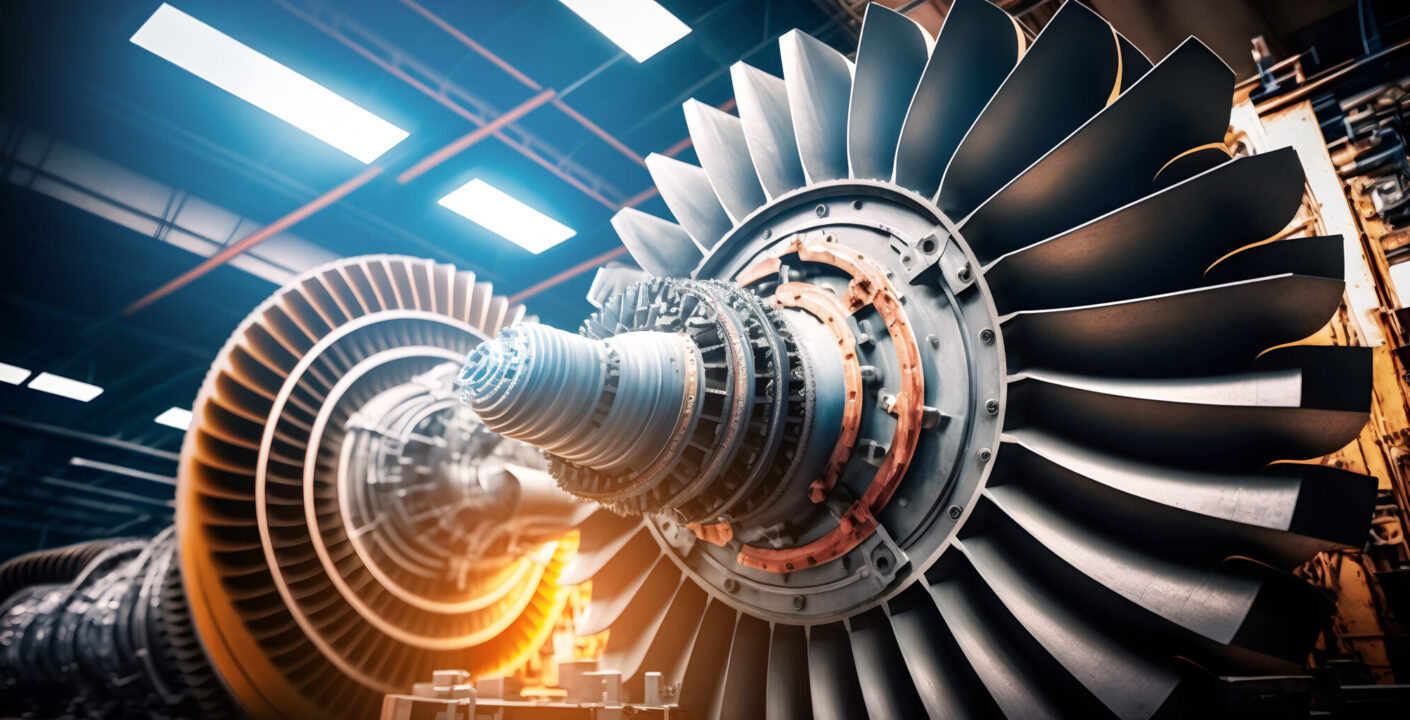
Industrial facilities in the United Arab Emirates operate in one of the world’s most energy-intensive environments. From petrochemical complexes to aluminum smelters and large manufacturing hubs, operations require a constant and reliable electricity supply to keep production lines, pumps, compressors, and automation systems running without interruption.
Power generation equipment used in UAE industries includes gas turbines, steam turbines, diesel generators, solar photovoltaic systems, and combined heat and power units that produce electricity for manufacturing plants, oil and gas facilities, desalination plants, and heavy industries.
These systems form the backbone of industrial energy infrastructure across cities like Abu Dhabi, Dubai, and Sharjah.
Industrial companies often rely on a combination of grid power, captive power plants, and backup generators to ensure uninterrupted operations and optimize energy efficiency.
Understanding Industrial Power Generation
Industrial power generation refers to the process of producing electricity within or near industrial facilities using specialized equipment designed for high output, reliability, and efficiency.
Electricity may come from:
- National electricity grids
- Captive power plants
- Distributed generation systems
- Renewable energy installations
Power is supplied through infrastructure managed by organizations such as:
- Dubai Electricity and Water Authority
- Emirates Water and Electricity Company
However, many factories also install their own generation systems to maintain operational control and reduce dependence on external energy sources.
Why UAE Industries Invest in Power Generation Equipment
Industrial energy demand in the UAE is significant due to large-scale operations in sectors like oil refining, petrochemicals, metals production, and desalination.
Major industrial players such as Abu Dhabi National Oil Company operate massive energy systems to support upstream and downstream operations.
Key reasons industries deploy their own power equipment include:
1. Reliability
Production downtime caused by electricity interruptions can cost millions of dollars per hour.
2. Energy Efficiency
Advanced systems like combined cycle plants and cogeneration units use fuel more efficiently.
3. Cost Management
Generating electricity onsite can reduce long-term energy expenses.
4. Energy Independence
Captive power plants reduce reliance on public electricity infrastructure.
5. Sustainability Goals
Organizations increasingly integrate renewable energy through solar and hybrid power systems.
Major Types of Power Generation Equipment Used in UAE Industries
Industrial facilities use several categories of power generation equipment depending on their energy demand, fuel availability, and operational requirements.
1. Gas Turbines
Gas turbines are among the most common power generation technologies used in large industrial plants across the UAE.
How Gas Turbines Work
- Natural gas or fuel is burned in a combustion chamber.
- Hot gases expand through turbine blades.
- The turbine rotates a generator shaft.
- Electricity is produced and distributed to the facility.
Key Advantages
- High power output
- Fast start-up capability
- Efficient in combined cycle plants
- Suitable for continuous industrial operations
Leading turbine manufacturers include:
- Siemens Energy
- General Electric
These systems are widely used in petrochemical complexes, power stations, and large manufacturing plants.
2. Steam Turbines
Steam turbines generate electricity using high-pressure steam produced by boilers or waste heat recovery systems.
Where They Are Used
Steam turbines are common in:
- Oil refineries
- Chemical processing plants
- Cogeneration facilities
- Desalination plants
Benefits
- Reliable for large continuous operations
- Can utilize waste heat energy
- Long operational lifespan
In many industrial power plants, steam turbines operate alongside gas turbines to form combined cycle power plants, significantly improving overall efficiency.
3. Diesel Generators
Diesel generators are widely used for backup power and emergency electricity supply.
Manufacturers such as:
- Caterpillar
- Cummins
provide industrial generators ranging from small backup units to large multi-megawatt systems.
Typical Applications
- Emergency power for manufacturing plants
- Construction sites
- Remote oil field operations
- Backup systems for data centers and hospitals
Advantages
- Quick start during power outages
- Relatively low installation cost
- Reliable operation
However, diesel generators are usually not used as the primary power source for large industrial facilities due to fuel costs and emissions.
4. Solar Photovoltaic Systems
Renewable energy is becoming an increasingly important component of industrial power infrastructure in the UAE.
Major renewable energy projects are led by organizations like Masdar.
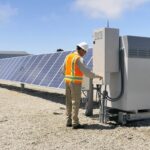
Solar photovoltaic systems convert sunlight directly into electricity using solar panels.
Key Components
- Photovoltaic modules
- Inverters
- Electrical distribution systems
- Monitoring and control systems
Solar installations are particularly attractive for industries seeking to reduce carbon emissions and electricity costs.
5. Combined Heat and Power (Cogeneration) Systems
Cogeneration systems produce electricity and useful heat simultaneously from the same fuel source.
This approach can achieve efficiency levels of 80–90%, making it highly attractive for industries that require both power and thermal energy.
Industrial Use Cases
- Petrochemical processing
- Food and beverage manufacturing
- Pharmaceutical production
- District energy systems
Supporting Equipment in Industrial Power Plants
Power generation requires a wide range of supporting systems to manage electricity production and distribution.
Key equipment includes:
| Equipment | Function |
| Transformers | Adjust voltage levels for transmission |
| Switchgear | Control and protect electrical circuits |
| Boilers | Produce steam for turbines |
| Cooling systems | Maintain safe operating temperatures |
| Control systems | Automate power plant operations |
Advanced automation platforms monitor power generation and optimize efficiency.
How Industrial Power Generation Works
Industrial electricity production follows a series of stages.
Step-by-Step Process
- Fuel supply
Natural gas, diesel, or renewable energy sources are provided. - Energy conversion
Fuel energy is converted to mechanical energy through turbines or engines. - Electricity generation
Generators transform mechanical rotation into electrical power. - Voltage regulation
Transformers adjust electricity voltage levels. - Distribution
Power is delivered to production equipment and industrial facilities.
Comparison of Industrial Power Generation Technologies
Different technologies offer unique advantages depending on industrial requirements.
| Technology | Fuel Type | Efficiency | Typical Applications |
| Gas Turbine | Natural gas | High | Large industrial plants |
| Steam Turbine | Steam | High | Refineries and power plants |
| Diesel Generator | Diesel | Medium | Backup power systems |
| Solar PV | Solar energy | Medium | Renewable industrial power |
| Cogeneration | Gas or biomass | Very high | Facilities requiring heat + electricity |
Key Industrial Sectors Using Power Generation Equipment
Oil and Gas Industry
The oil and gas sector is the largest energy consumer in the region.
Large facilities operated by Abu Dhabi National Oil Company rely on turbines, generators, and combined cycle power plants to support drilling, refining, and petrochemical production.
Aluminum Smelting
Aluminum production requires massive amounts of electricity.
Smelting plants run continuous high-temperature electrolysis processes that depend on reliable power systems.
Desalination Plants
The UAE produces freshwater through large desalination facilities that require significant electricity and thermal energy.
These plants often integrate combined cycle power generation systems.
Manufacturing and Industrial Zones
Major industrial zones in cities like Dubai and Abu Dhabi host hundreds of factories producing:
- building materials
- chemicals
- electronics
- consumer goods
Reliable power infrastructure is essential for automated manufacturing lines.
Hybrid Energy Systems in UAE Industries
Many facilities now integrate multiple energy technologies to improve efficiency and reduce emissions.
Hybrid systems may include:
- Solar power + gas turbines
- Battery storage + renewable energy
- Grid power + onsite generators
These integrated solutions provide flexibility while supporting sustainability initiatives.
Industrial Microgrids and Distributed Generation
A growing trend in industrial energy management is the development of microgrids.
Microgrids allow facilities to operate independently from the main electricity grid while integrating multiple power sources.
Advantages include:
- improved energy resilience
- better control over electricity supply
- integration of renewable power
Distributed generation also reduces transmission losses and enhances reliability.
Industrial Generator Costs in the UAE
Power generation equipment costs vary significantly depending on capacity and technology.
Typical investment ranges:
| Equipment | Approximate Cost Range |
| Small industrial generators | $10,000 – $100,000 |
| Medium diesel generators | $100,000 – $1 million |
| Gas turbine systems | Several million dollars |
| Combined cycle power plants | Tens or hundreds of millions |
In addition to equipment costs, companies must consider:
- installation and infrastructure
- fuel supply systems
- maintenance and service contracts
- environmental compliance
Best Practices for Industrial Power Generation
Organizations planning industrial power systems should consider the following practices.
Conduct Detailed Energy Assessments
Understanding energy demand patterns helps determine optimal equipment capacity.
Implement Predictive Maintenance
Advanced monitoring systems can detect faults before they cause equipment failure.
Integrate Renewable Energy
Solar systems and hybrid energy plants reduce operational costs and emissions.
Plan for Future Expansion
Industrial facilities often expand production capacity, increasing energy demand.
Maintenance and Lifecycle Management
Power generation equipment requires regular maintenance to ensure reliable performance.
Typical lifecycle considerations include:
- periodic turbine inspections
- generator servicing
- fuel system maintenance
- control system upgrades
Proper lifecycle management can extend equipment lifespan by decades.
Power Generation Trends in the GCC
Industrial power generation across the Gulf region is evolving rapidly.
Countries including Saudi Arabia, Qatar, and the UAE are investing heavily in:
- renewable energy projects
- hydrogen power research
- energy storage technologies
- smart grid infrastructure
These developments are shaping the future of industrial power generation in the region.
Final Thoughts
Power generation equipment plays a critical role in supporting the UAE’s industrial economy. From gas turbines and steam systems to solar installations and hybrid microgrids, modern energy infrastructure ensures that factories, refineries, and production facilities operate efficiently and reliably.
Industries are increasingly adopting advanced technologies that combine high efficiency, operational reliability, and environmental sustainability. As the UAE continues expanding its industrial base and renewable energy capacity, power generation systems will remain a central component of economic growth.
Organizations planning industrial energy projects should carefully evaluate their power requirements, fuel options, and long-term operational goals to select the most suitable technologies for equipment trading.
FAQs
1. What equipment is used for power generation in industries?
Industrial power generation typically uses gas turbines, steam turbines, diesel generators, solar photovoltaic systems, and combined heat and power units along with supporting infrastructure like transformers, boilers, and control systems.
2. Why do industries install captive power plants?
Industries install captive power plants to ensure reliable electricity supply, reduce dependence on public grids, improve energy efficiency, and lower long-term operating costs.
3. What is the most common power generation technology in UAE industries?
Gas turbines and combined cycle power plants are among the most widely used technologies because natural gas is widely available and these systems provide high efficiency for large-scale operations.
4. How do factories generate electricity onsite?
Factories generate electricity onsite using turbines or engines that convert fuel energy into mechanical energy, which drives generators to produce electrical power distributed through industrial electrical systems.
5. What is a combined cycle power plant?
A combined cycle power plant uses both gas turbines and steam turbines. Exhaust heat from the gas turbine generates steam, which drives a steam turbine, increasing overall energy efficiency.
6. Are renewable energy systems used in UAE industries?
Yes. Many industrial facilities now install solar photovoltaic systems and hybrid energy plants to reduce emissions and lower electricity costs.
7. What factors affect industrial generator costs?
Costs depend on generator capacity, fuel type, installation requirements, maintenance needs, and environmental regulations.
8. What industries consume the most electricity in the UAE?
Energy-intensive sectors include oil and gas, aluminum smelting, desalination, petrochemical production, and large manufacturing plants.
9. What is cogeneration in industrial power plants?
Cogeneration refers to the simultaneous production of electricity and useful heat from the same fuel source, significantly improving energy efficiency.
10. How do microgrids benefit industrial facilities?
Industrial microgrids allow facilities to generate and manage their own electricity using multiple energy sources, improving resilience and reducing reliance on external grids.
11. How do companies choose the right power generation equipment?
Companies evaluate energy demand, fuel availability, operational reliability requirements, environmental regulations, and long-term costs before selecting equipment.
12. What role does solar energy play in industrial power generation?
Solar energy helps industries reduce fuel consumption and carbon emissions while lowering electricity costs when integrated with traditional power generation systems.