
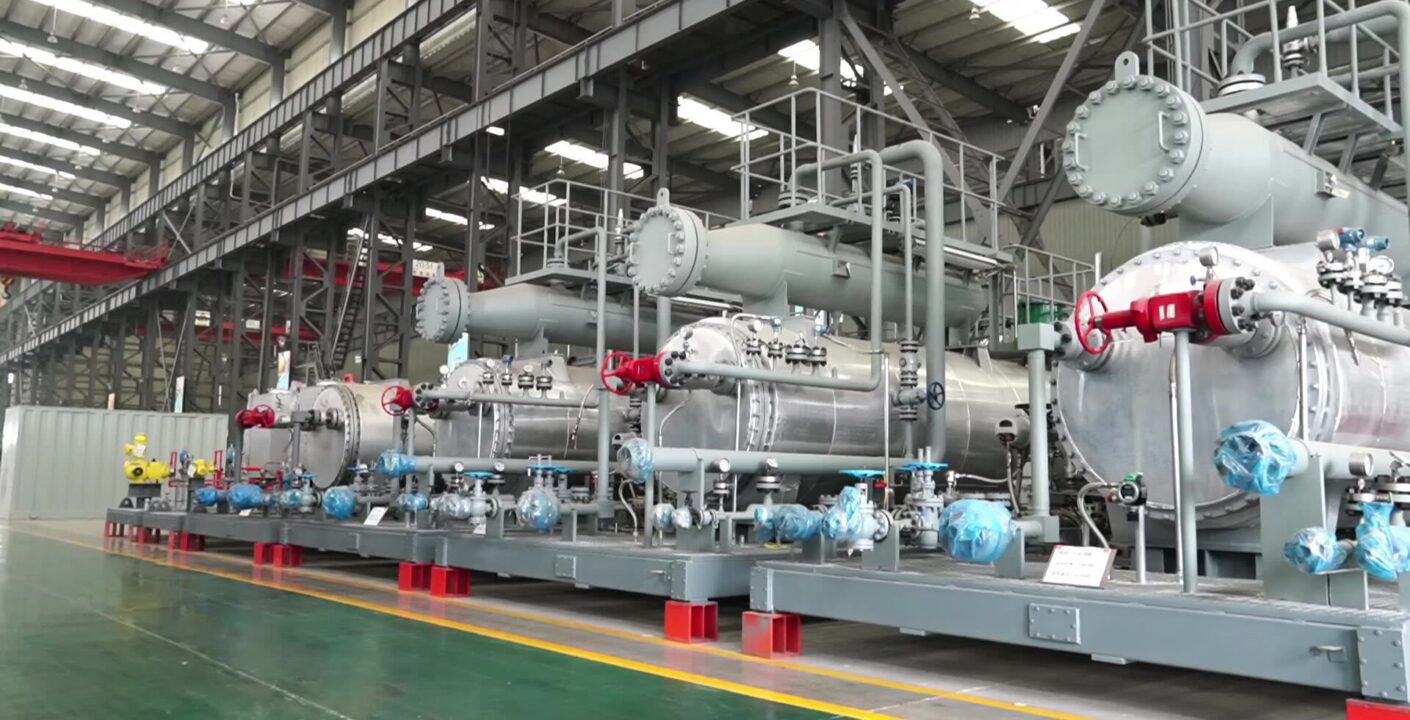
The UAE oil and gas sector is one of the most advanced in the world, driven by large-scale operations led by companies like Abu Dhabi National Oil Company. At the core of this industry lies a complex network of natural gas equipment used across extraction, processing, transportation, and distribution.
Whether you’re an engineer, procurement manager, or EPC contractor, understanding this equipment is critical for:
- Efficient operations
- Regulatory compliance
- Cost optimization
- Long-term reliability in harsh desert environments
This guide explains everything from equipment types to supplier selection in UAE markets like Abu Dhabi, Dubai, and Sharjah.
What Is Natural Gas Equipment?
Natural gas equipment refers to mechanical and digital systems used to extract, process, transport, store, and monitor natural gas.
Core Components Include:
- Gas compressors
- Separators
- Pipelines
- Valves
- Processing units
- Flow measurement systems
These systems form the backbone of industrial gas infrastructure and hydrocarbon processing.
Why Natural Gas Equipment Matters in UAE
1. Energy Backbone
The UAE relies heavily on natural gas for power generation, desalination, and industrial operations.
2. Harsh Operating Conditions
- Extreme heat (45–50°C)
- Sandstorms
- Corrosive environments
Equipment must be designed for temperature resistance and corrosion control.
3. Export & Processing Hubs
Facilities in Ruwais and offshore fields demand high-performance systems.
Types of Natural Gas Equipment (Complete Breakdown)
1. Gas Compressors
Gas compressors increase pressure to move gas through pipelines.
Main Types:
| Type | Best For | Advantages | Limitations |
| Centrifugal | High flow operations | Continuous operation | High cost |
| Reciprocating | High pressure needs | Efficient for variable loads | Maintenance-heavy |
| Screw | Mid-scale operations | Compact design | Lower efficiency |
Real Use Case:
Pipeline transmission from offshore rigs to onshore processing facilities.
2. Gas Separation Equipment
Separators remove liquids (oil, water) from gas streams.
Types:
- Two-phase separators
- Three-phase separators
Why It Matters:
Improves processing efficiency and prevents pipeline damage.
3. Pipeline Systems
Pipelines enable large-scale gas transport across UAE.
Materials Used:
- Carbon steel
- Stainless steel
- Composite materials
Key Considerations:
- Pressure rating
- Corrosion resistance
- Thermal expansion
4. Industrial Valves
Valves regulate flow and ensure safety.
Common Types:
- Ball valves
- Gate valves
- Globe valves
Application:
Emergency shutdown systems and flow control.
5. Gas Processing Units
These systems convert raw gas into usable energy.
Includes:
- Gas dehydration units
- Gas sweetening systems (removing H₂S)
- NGL recovery systems
Related Concept:
Liquefied Natural Gas processing for storage and export.
6. Flow Measurement Systems
Accurate measurement is critical for billing and operations.
Types:
- Ultrasonic flow meters
- Turbine meters
- Orifice meters
7. Storage & LNG Equipment
Storage systems ensure supply stability.
Options:
- LNG tanks
- CNG cylinders
How Natural Gas Processing Works (Step-by-Step)
Understanding the process helps in selecting the right equipment.
Step 1: Extraction
Gas is extracted from underground reservoirs or offshore fields.
Step 2: Separation
Separators remove liquids and impurities.
Step 3: Compression
Gas compressors increase pressure for transport.
Step 4: Processing
Impurities like CO₂ and H₂S are removed.
Step 5: Transportation
Gas moves through pipelines or LNG carriers.
Step 6: Distribution
Delivered to industries, power plants, and export terminals.
Equipment Selection Framework (For UAE Projects)
Choosing the wrong equipment can cost millions. Use this framework:
Key Factors:
| Factor | What to Evaluate |
| Pressure | High vs low pressure systems |
| Flow Rate | Required throughput |
| Gas Composition | Presence of corrosive gases |
| Location | Offshore vs onshore |
| Temperature | Desert heat resistance |
| Compliance | American Petroleum Institute standards |
Quick Decision Guide:
- High-volume pipeline? → Centrifugal compressors
- Corrosive gas? → Advanced sweetening units
- Remote desert site? → Low-maintenance equipment
Cost of Natural Gas Equipment in UAE
Pricing varies significantly based on specifications and scale.
Estimated Cost Ranges:
| Equipment | Cost Range |
| Compressors | $50,000 – $1M+ |
| Valves | $100 – $10,000 |
| Flow Meters | $1,000 – $25,000 |
| Processing Units | $500,000 – $5M+ |
Key Insight:
In UAE, buyers prioritize durability and lifecycle cost over initial price.
Leading Suppliers & Manufacturers in UAE
Global OEMs:
- Siemens Energy
- Schlumberger
- Baker Hughes
Local Supplier Ecosystem:
- ADNOC-approved vendors
- EPC contractors
- Industrial distributors in Dubai & Abu Dhabi
Buying Tip:
Always verify:
- API certification
- ISO compliance
- Local service capability
UAE-Specific Challenges & Engineering Considerations
1. Extreme Heat
Requires:
- Heat-resistant materials
- Cooling systems
2. Sand & Dust
Leads to:
- Abrasion
- Equipment wear
3. Corrosion Risks
Especially in offshore environments.
Solution:
- Use corrosion-resistant alloys
- Implement protective coatings
Maintenance & Lifecycle Strategy
Ignoring maintenance is a costly mistake.
Best Practices:
- Preventive maintenance schedules
- Real-time monitoring (SCADA systems)
- Spare parts availability
Lifecycle Focus:
- CAPEX vs OPEX balance
- Predictive maintenance using AI
Common Mistakes to Avoid
1. Under-specifying Equipment
Leads to system failure under high loads.
2. Ignoring Local Conditions
UAE climate requires specialized materials.
3. Choosing Based on Price Alone
Low-cost equipment often results in higher long-term costs.
LNG vs CNG Equipment (Comparison)
| Factor | LNG | CNG |
| Storage | Liquid form | Compressed gas |
| Transport | Long-distance | Short-distance |
| Cost | Higher setup | Lower setup |
| Efficiency | High for export | Local distribution |
Emerging Technologies in UAE Gas Industry
1. Smart Monitoring Systems
IoT-enabled sensors improve efficiency.
2. AI Predictive Maintenance
Reduces downtime and maintenance costs.
3. Hydrogen-Ready Infrastructure
Future-proofing gas systems.
Real-World Use Case
An EPC contractor in Abu Dhabi working on pipeline expansion:
- Selected centrifugal compressors for high flow
- Used corrosion-resistant pipelines
- Integrated SCADA for monitoring
Result:
- Reduced downtime
- Improved operational efficiency
- Lower lifecycle cost
Procurement Checklist for UAE Buyers
Before purchasing:
✔ Confirm API & ISO compliance
✔ Check supplier reputation
✔ Evaluate lifecycle cost
✔ Ensure local support availability
✔ Validate performance in desert conditions
Conclusion
Natural gas equipment plays a critical role in the UAE’s oil and gas ecosystem. From compressors to LNG systems, each component must be carefully selected based on technical, environmental, and economic factors.
For B2B buyers, success depends on:
- Choosing the right equipment
- Partnering with reliable equipment suppliers
- Planning for long-term performance
A well-informed decision today can prevent costly failures tomorrow.
FAQs
1. What equipment is used in natural gas processing?
It includes compressors, separators, dehydration units, pipelines, valves, and flow meters used to process and transport gas efficiently.
2. How does gas compression work?
Gas compressors increase pressure by reducing volume, enabling efficient transport through pipelines over long distances.
3. What is the cost of natural gas equipment in UAE?
Costs range from $100 for valves to over $5 million for processing units depending on scale and specifications.
4. Which companies supply gas equipment in UAE?
Major suppliers include Siemens Energy, Schlumberger, Baker Hughes, and ADNOC-approved local vendors.
5. What standards apply to gas equipment?
API, ISO, and ASME standards ensure safety, reliability, and compliance in oil and gas operations.
6. What is the difference between LNG and CNG equipment?
LNG equipment liquefies gas for long-distance transport, while CNG equipment compresses gas for local distribution.
7. How does UAE climate affect gas equipment?
Extreme heat and sand require corrosion-resistant materials and specialized cooling systems.
8. What is the lifespan of gas equipment?
Typically 10–30 years depending on maintenance and operating conditions.
9. How do I choose the right gas compressor?
Consider flow rate, pressure requirements, gas composition, and operational environment.
10. Where can I find gas equipment suppliers in UAE?
Suppliers are concentrated in Abu Dhabi, Dubai, and Sharjah industrial zones.
11. What are common mistakes when buying gas equipment?
Ignoring environmental factors, under-specifying equipment, and focusing only on price.
12. Is maintenance important for gas equipment?
Yes, regular maintenance ensures safety, efficiency, and longer equipment lifespan.