
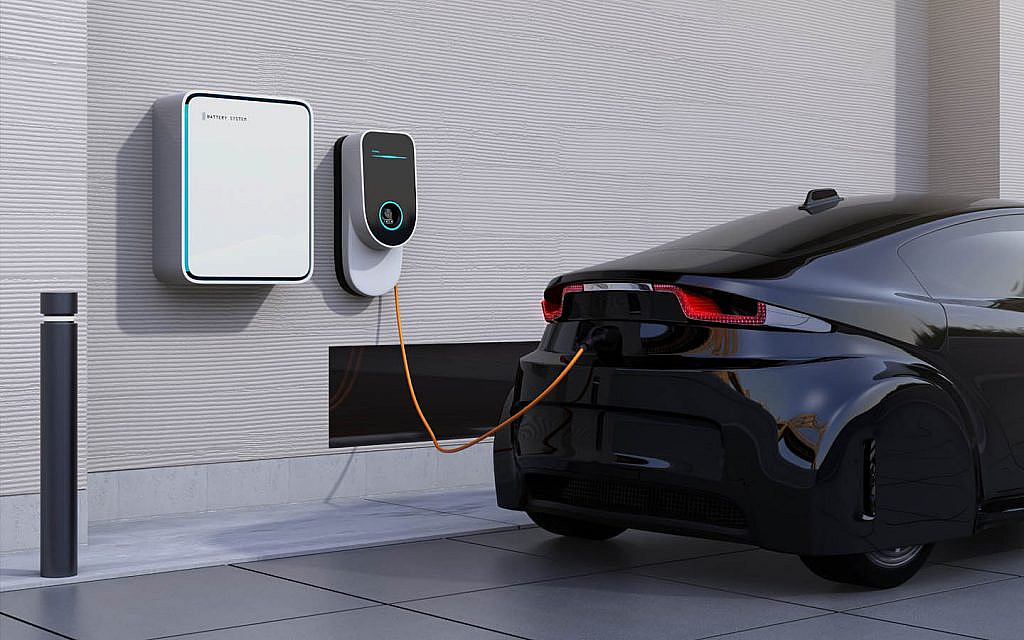
EV charging infrastructure in the UAE refers to the nationwide network of charging stations, grid systems, software platforms, and energy management solutions that support electric vehicle adoption across Dubai, Abu Dhabi, and other emirates.
It includes everything from slow AC chargers in residential buildings to ultra-fast DC charging hubs on highways connecting Abu Dhabi, Dubai, and Sharjah.
In simple terms, it is the backbone enabling the UAE’s transition toward electric mobility, smart cities, and low-carbon transportation systems.
At the center of this transformation are government utilities like the Dubai Electricity and Water Authority (DEWA) and Abu Dhabi Distribution Company (ADDC), alongside private sector players, automotive OEMs, and infrastructure investors.
Why EV Charging Infrastructure Growth in UAE Matters for B2B Stakeholders
The UAE is not just deploying EV chargers it is building a strategic mobility economy.
For businesses, investors, and infrastructure developers, this matters because:
- It unlocks long-term recurring revenue models (charging-as-a-service)
- It supports fleet electrification for logistics and transport companies
- It aligns with UAE Net Zero 2050 goals
- It integrates with smart city ecosystems in Dubai and Abu Dhabi
- It opens real estate monetization opportunities (malls, hotels, offices)
The most important shift: EV charging is no longer just utility infrastructure it is becoming a digital energy asset class.
UAE EV Market Landscape (Dubai-First Growth Model)
Dubai is the primary innovation hub for EV infrastructure deployment in the UAE.
Key drivers include:
- Smart city integration initiatives
- High urban mobility demand
- Strong tourism and logistics sectors
- Government-led electrification policies
Meanwhile, Abu Dhabi leads in:
- Utility-scale energy planning
- Industrial fleet electrification
- Highway charging corridors
Sharjah and northern emirates are in early expansion stages, focusing on:
- Residential charging adoption
- Commercial pilot deployments
This creates a multi-speed EV ecosystem across the UAE.
Key Entities Driving EV Charging Expansion in UAE
The infrastructure ecosystem is shaped by a combination of government and private sector entities:
Government & Utilities
- Dubai Electricity and Water Authority (DEWA)
- Abu Dhabi Distribution Company (ADDC)
- UAE Ministry of Energy and Infrastructure
- Masdar City clean energy initiatives
Private Sector & OEMs
- Tesla Supercharger Network
- BYD ecosystem (emerging in GCC fleets)
- Real estate developers integrating EV-ready buildings
Technology Layer
- Smart Grid Systems
- IoT-based energy monitoring platforms
- Electric Vehicle Supply Equipment (EVSE) providers
These entities collectively form the UAE’s EV energy ecosystem architecture.
Types of EV Charging Infrastructure in UAE
EV charging systems in the UAE are categorized based on speed, usage, and location.
1. AC Charging (Level 1 & 2)
- Slow to moderate charging
- Common in residential and commercial buildings
- Lower installation cost
2. DC Fast Charging
- High-speed charging (critical for fleet and highway use)
- Installed along major routes like Sheikh Zayed Road
- Preferred for logistics and taxis
3. Ultra-Fast Charging (Emerging Segment)
- Next-generation charging hubs
- Reduces downtime for commercial fleets
- High CAPEX but strong ROI potential
Charging Type Comparison Table
| Type | Speed | Best Use Case | Cost Level |
| AC Charging | Slow | Residential | Low |
| DC Fast Charging | Fast | Fleet & highways | Medium |
| Ultra-Fast | Very Fast | Commercial hubs | High |
How EV Charging Networks Work in Dubai & UAE
EV charging systems in the UAE operate through a connected digital ecosystem.
Step-by-Step Process:
- Vehicle connects to charging station (AC or DC)
- Authentication via mobile app or RFID card
- Energy flow begins via grid or renewable source
- Smart metering tracks consumption in real time
- Automated billing through digital payment systems
Most modern systems are integrated with IoT dashboards for:
- Load balancing
- Predictive maintenance
- Energy optimization
This makes UAE one of the most digitally advanced EV charging markets in the Middle East.
EV Charging Infrastructure Growth Drivers in UAE
The rapid expansion is driven by five core forces:
1. Government Policy Push
UAE Net Zero 2050 strategy is the backbone of EV adoption.
2. Smart City Development
Dubai and Abu Dhabi are embedding EV infrastructure into urban planning.
3. Logistics Electrification Demand
Fleet operators are shifting to EVs for cost and ESG compliance.
4. Real Estate Integration
New developments are required to be EV-ready.
5. Energy Diversification Strategy
Reduction of fossil fuel dependency in transportation.
Investment Opportunities in EV Charging Infrastructure UAE
From a B2B perspective, this is one of the fastest-growing infrastructure asset classes.
Key Investment Models:
1. Charging-as-a-Service (CaaS)
Operators install and manage charging stations while earning per usage.
2. Infrastructure Leasing
Real estate owners lease land or parking spaces for charging hubs.
3. Fleet Charging Contracts
Long-term agreements with logistics and taxi companies.
4. Utility Partnership Models
Collaboration with DEWA or ADDC for grid-connected charging systems.
ROI and Business Case Considerations
The ROI of EV charging infrastructure in UAE depends on:
- Utilization rate (critical factor)
- Location density (urban vs highway)
- Charging speed (fast charging increases revenue)
- Energy cost optimization
- Fleet contracts vs public usage
Key Insight:
Fleet-based charging hubs generally outperform public-only stations in ROI consistency.
Cost of EV Charging Infrastructure in UAE
While exact pricing varies, investment typically depends on:
- Charger type (AC vs DC vs ultra-fast)
- Grid connection requirements
- Land or real estate integration
- Smart software systems
Cost Drivers:
- Electrical infrastructure upgrades
- Utility approvals
- Hardware import and installation
- Software and monitoring systems
Regulatory & Compliance Framework
EV charging deployment in UAE requires alignment with:
- Electrical safety standards (IEC 61851)
- Utility approval processes (DEWA / ADDC)
- Licensing for energy operators
- Grid capacity regulations
This regulatory structure ensures safety but adds complexity for new market entrants.
Grid Capacity and Energy Challenges
One of the biggest constraints in EV expansion is grid load management.
Key challenges:
- Peak demand pressure in urban zones
- Need for smart load balancing
- Integration with renewable energy sources
- Infrastructure scaling in high-density districts
This is driving investment in:
- Smart grid systems
- Distributed energy resources
- Solar-integrated charging stations
Fleet Electrification in UAE (High-Growth Segment)
Fleet electrification is one of the fastest-growing use cases.
Key Sectors:
- Logistics companies
- Taxi operators
- Government fleets
- Last-mile delivery services
Benefits include:
- Lower fuel costs
- Predictable operational expenses
- ESG compliance advantages
- Reduced maintenance costs
Real Estate & EV Infrastructure Integration
Developers are increasingly embedding EV charging into:
- Residential towers
- Shopping malls
- Commercial offices
- Hotels and resorts
This creates a new revenue stream through:
- Parking monetization
- Energy resale models
- Tenant attraction value
Competitive Landscape Insights
Current market competitors focus heavily on:
- Government initiatives
- Basic infrastructure rollout
- General EV adoption trends
However, they lack depth in:
- ROI modeling frameworks
- Fleet electrification economics
- Charging-as-a-service monetization
- Grid constraint analysis
- Investor decision frameworks
This creates a strong opportunity for deeper B2B content positioning.
Future Outlook: EV Charging in UAE (2030+)
The UAE EV charging ecosystem is moving toward:
- Ultra-fast charging corridors between emirates
- AI-driven smart grid optimization
- Solar-powered charging stations
- Autonomous fleet charging systems
- Fully integrated mobility ecosystems
Dubai is expected to become a fully smart EV mobility hub by the next decade.
Key Strategic Takeaway for Investors
The EV charging infrastructure market in UAE is evolving from:
👉 Utility infrastructure → Digital energy asset class
This shift creates opportunities across:
- Infrastructure ownership
- Energy trading models
- Real estate integration
- Fleet service ecosystems
Conclusion
The growth of EV charging suppliers in the UAE represents one of the most important mobility transformations in the region. Dubai leads innovation, Abu Dhabi drives utility-scale expansion, and the entire UAE ecosystem is converging toward a smart, electrified transportation future.
For B2B stakeholders, this is not just an infrastructure trend it is a long-term investment cycle shaped by policy, energy transition, and digital transformation.
Success in this market depends on understanding:
- Grid constraints
- Business model innovation
- Fleet demand patterns
- Regulatory alignment
- Location-based ROI dynamics
FAQs
1. How many EV charging stations are there in the UAE?
The UAE has thousands of charging points across public and private networks, with rapid annual expansion led by DEWA and ADDC.
2. Is EV charging profitable in Dubai?
Yes, profitability depends on utilization rates, fleet contracts, and strategic location planning.
3. Who operates EV charging stations in UAE?
Key operators include DEWA, ADDC, Tesla Supercharger Network, and private infrastructure companies.
4. Where are EV chargers commonly located in UAE?
Malls, highways, residential towers, commercial districts, and industrial zones.
5. What is the biggest challenge for EV infrastructure in UAE?
Grid capacity management and standardization across emirates.
6. Can businesses install EV charging stations in UAE?
Yes, subject to utility approvals, safety compliance, and licensing regulations.
7. What drives EV adoption in UAE?
Government policy, sustainability goals, and smart city development initiatives.
8. What is the cost of installing EV charging stations in UAE?
It varies depending on charger type, grid requirements, and location infrastructure needs.
9. Which emirate leads in EV charging infrastructure?
Dubai currently leads in deployment scale and smart integration.
10. What is the future of EV charging in UAE?
Ultra-fast charging networks, renewable integration, and AI-powered energy systems will dominate the next phase.