
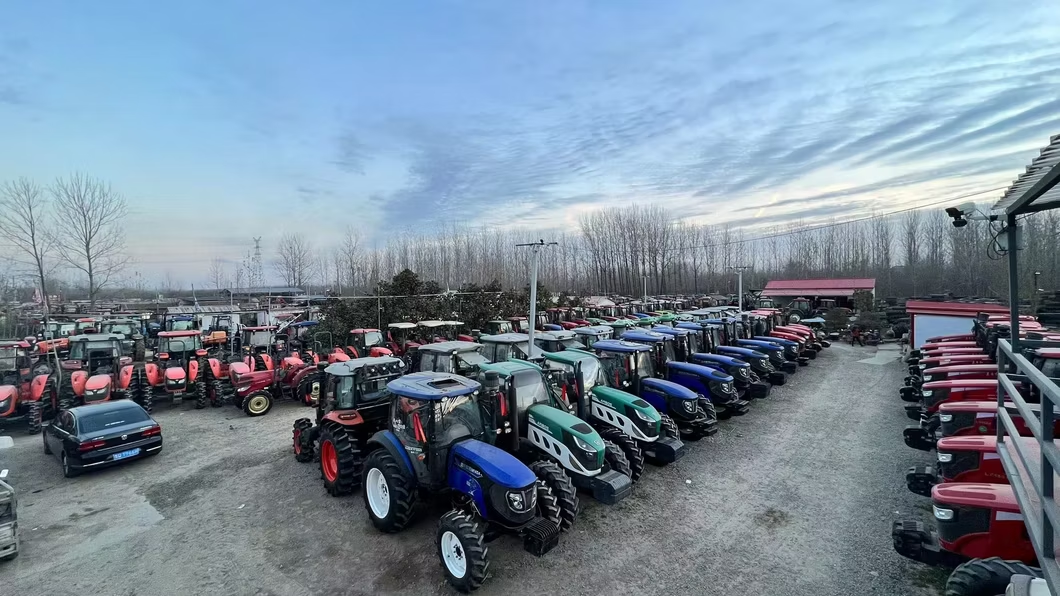
Choosing the right agriculture machinery supplier in UAE is one of the most important decisions for farmers, agribusinesses, and even landscaping professionals across the UAE. The region’s unique environment high temperatures, sandy soil, and water scarcity demands machinery that is durable, efficient, and supported locally.
Whether you’re sourcing tractors, irrigation systems, or greenhouse equipment, the supplier you choose directly impacts your operational efficiency, maintenance costs, and long-term return on investment.
This guide walks you through everything you need to know from evaluation frameworks to pricing insights so you can make a confident and informed decision by QSM (Quality Standard Machinery)
What Is an Agriculture Machinery Supplier?
An agriculture machinery supplier is a company or distributor that provides farming equipment such as tractors, irrigation systems, harvesting tools, and greenhouse technology. These suppliers may represent global manufacturers or operate as local distributors.
Leading global brands like John Deere, Kubota, and Massey Ferguson are commonly available through authorized dealers in the UAE.
Why Choosing the Right Supplier Matters in the UAE
Agriculture in the UAE is not the same as in temperate climates. Equipment must withstand:
- Extreme heat conditions
- Dust and sand exposure
- Limited water resources
Real-World Scenario
A farm in Al Ain purchased low-cost imported irrigation equipment without local support. Within a year, maintenance issues arose, and spare parts were unavailable resulting in crop loss and downtime.
Key Takeaway
A reliable supplier ensures:
- Consistent machinery performance
- Easy access to spare parts
- On-site servicing and support
Types of Agriculture Machinery Suppliers in Dubai
1. Authorized Dealers
- Represent global OEMs
- Offer genuine parts and warranties
- Higher upfront cost but reliable
2. Local Distributors
- Provide mixed brands
- More affordable options
- Service quality may vary
3. Importers & Traders
- Lower pricing
- Limited or no warranty
- Risk of counterfeit components
4. Specialized Equipment Providers
Focus on:
- Hydroponics
- Drip Irrigation
- Climate-controlled farming systems
Ideal for UAE’s modern agriculture sector.
Step-by-Step Framework to Choose the Right Supplier
Step 1: Define Your Requirements
Start with clarity:
- Farm size
- Crop type
- Terrain and soil conditions
Step 2: Search for Suppliers
Use queries like:
- “agriculture machinery supplier UAE”
- “farm equipment Dubai near me”
Focus on suppliers serving:
- Dubai
- Abu Dhabi
- Sharjah
Step 3: Verify Credentials
Check:
- Trade license
- ISO certification
- UAE import compliance
Step 4: Evaluate Product Range
A good supplier offers:
- Tractors
- Irrigation systems
- Harvesting machinery
- Greenhouse equipment
Step 5: Assess After-Sales Support
Ask:
- Are spare parts available locally?
- Is on-site maintenance included?
- Do they offer annual service contracts?
Step 6: Compare Pricing & Value
Request quotes from at least 3 suppliers.
Step 7: Request Demonstration
Seeing machinery in action helps avoid costly mistakes.
Key Factors to Evaluate Before Choosing
1. Product Quality & Durability
Machines should be designed for desert conditions and heavy-duty use.
2. Spare Parts Availability
Delays in parts can halt operations especially in remote UAE areas.
3. Technical Support
Reliable suppliers provide:
- On-site servicing
- Emergency repairs
4. Pricing Transparency
Ensure quotes include:
- Delivery
- Installation
- Maintenance
5. Reputation & Reviews
Check:
- Online reviews
- Industry recommendations
Agriculture Machinery Pricing in Dubai
| Equipment Type | Price Range (AED) | Notes |
| Tractors | 50,000 – 250,000 | Depends on horsepower |
| Irrigation Systems | 5,000 – 50,000 | Drip systems common |
| Harvesting Equipment | 20,000 – 150,000 | Imported models cost more |
| Greenhouse Equipment | 10,000 – 100,000 | Based on automation |
Hidden Costs to Watch
- Shipping fees
- Installation charges
- Spare parts markup
- Maintenance contracts
UAE-Specific Factors You Must Consider
Climate Adaptation
Machinery must handle:
- Heat above 45°C
- Sand exposure
Water Efficiency
Technologies like Drip Irrigation are essential.
Regional Demand
High agricultural activity in:
- Al Ain
- Sharjah
Regulations
Ensure compliance with UAE import laws and municipality approvals.
Supplier Comparison Table
| Criteria | Good Supplier | Poor Supplier |
| Warranty | Clear and documented | Unclear or missing |
| Spare Parts | Locally available | Imported delays |
| Pricing | Transparent | Hidden costs |
| Support | On-site service | Limited assistance |
| Certifications | Verified | Missing |
How to Verify a Supplier in Dubai
Use this checklist:
- Verify trade license
- Check partnerships with OEM brands
- Visit physical showroom
- Ask for client references
- Review service contracts
Common Mistakes Buyers Make
- Choosing the cheapest option
- Ignoring after-sales service
- Not checking spare parts availability
- Skipping product demos
- Overlooking UAE-specific requirements
Best Practices for Long-Term Success
- Build relationships with suppliers
- Sign annual maintenance agreements
- Maintain spare inventory
- Schedule regular servicing
Alternative Options
1. Importing Machinery
Pros:
- Lower cost
Cons:
- No local support
2. Leasing Equipment
Best for:
- Seasonal farming
- Short-term projects
3. Used Machinery
Pros:
- Budget-friendly
Cons:
- Higher maintenance risk
Real-World Use Case
A landscaping company in Dubai switched from an importer to an authorized dealer of Kubota. While initial costs increased by 20%, maintenance costs dropped significantly, and productivity improved due to reliable servicing.
How This Decision Impacts ROI
Choosing the right supplier affects:
- Equipment lifespan
- Operational downtime
- Maintenance expenses
- Overall productivity
A slightly higher upfront cost often results in better long-term returns.
Internal Resource
For a deeper understanding of equipment types and selection, read our guide farm equipment buying guide UAE.
Conclusion
Selecting the right agriculture machinery supplier in Dubai is not just about price it’s about reliability, support, and long-term value. With the UAE’s demanding agricultural conditions, choosing a supplier with local expertise, strong after-sales service, and high-quality machinery is essential.
By following a structured evaluation process defining your needs, verifying suppliers, comparing options, and focusing on long-term support you can make a confident investment that supports sustainable growth.
FAQs
1. What is the best agriculture machinery supplier in Dubai?
The best supplier offers certified equipment, strong after-sales service, and partnerships with trusted global brands.
2. How much does agriculture equipment cost in the UAE?
Prices range from AED 5,000 for basic tools to AED 250,000+ for tractors depending on specifications.
3. Are imported machines suitable for UAE farming?
They can be cheaper but often lack local support and spare parts availability.
4. How do I verify a supplier in Dubai?
Check trade licenses, certifications, showroom presence, and customer reviews.
5. Which tractor brands are popular in the UAE?
Brands like John Deere, Kubota, and Massey Ferguson are widely trusted.
6. Do suppliers provide maintenance services?
Yes, most reputable suppliers offer maintenance contracts and on-site servicing.
7. What machinery is best for desert farming?
Durable tractors, drip irrigation systems, and climate-resistant equipment work best.
8. Can I lease agriculture machinery in Dubai?
Yes, leasing is available and ideal for short-term or seasonal needs.
9. What should I check before buying farm equipment?
Check warranty, spare parts availability, supplier reputation, and service support.
10. Is after-sales support really important?
Yes, it ensures minimal downtime and long-term machinery performance.
11. Where can I find agriculture suppliers near me in UAE?
Search locally in Dubai, Abu Dhabi, and Sharjah for suppliers with showrooms and service centers.
12. What certifications should a supplier have?
Look for ISO certifications and compliance with UAE import regulations.