

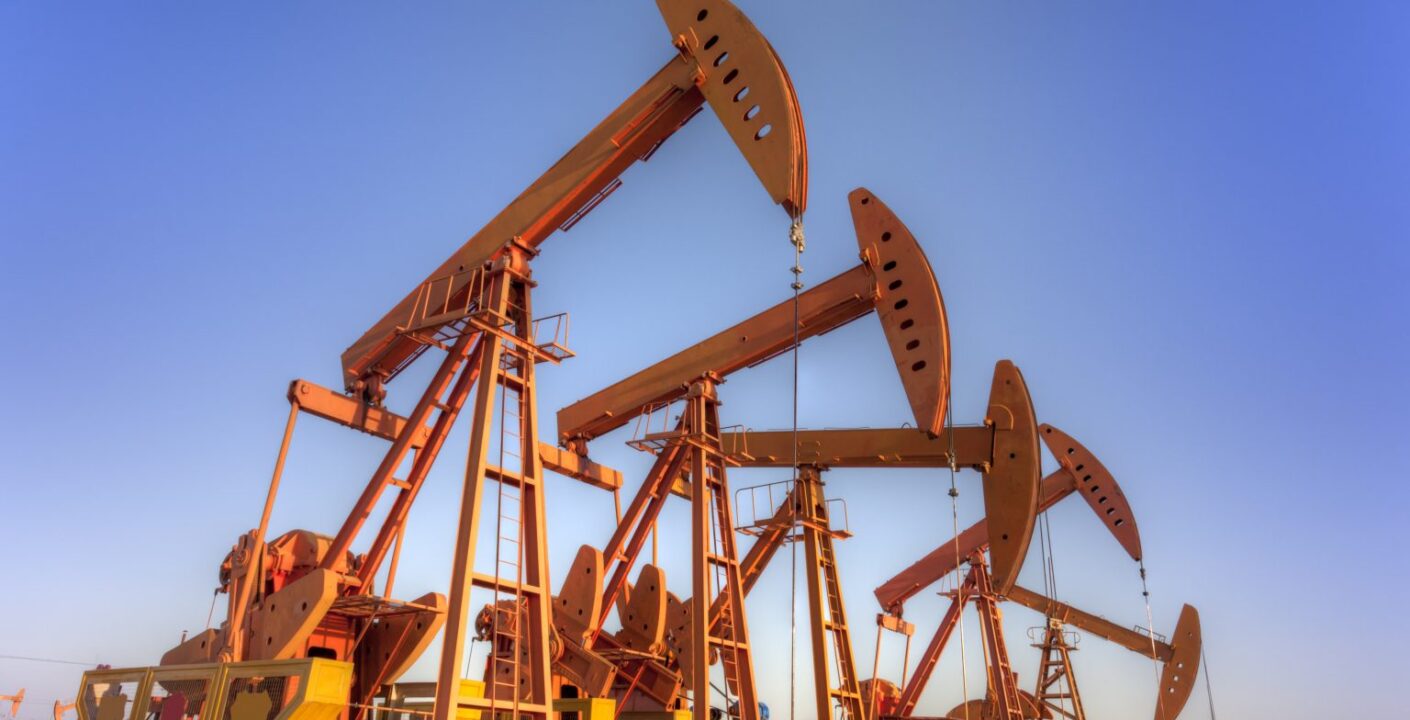
Oil price volatility continues to shape the economic landscape of the Gulf region, particularly in the UAE and wider GCC markets. For B2B stakeholders contractors, equipment suppliers in UAE, EPC firms, and investors understanding this relationship is not optional; it’s critical for survival and growth.
The connection is straightforward yet powerful: when oil prices rise, governments increase spending, infrastructure projects accelerate, and demand for heavy equipment surges. When prices fall, the opposite happens projects slow, budgets tighten, and equipment sits idle.
This article breaks down how oil price fluctuations influence equipment demand across the GCC, with a strong focus on UAE market dynamics, procurement strategies, and real-world decision-making frameworks.
What Is Oil Price Volatility?
Oil price volatility refers to frequent and often unpredictable fluctuations in crude oil prices, typically influenced by global supply-demand imbalances, geopolitical tensions, and production decisions by organizations like OPEC.
Why It Matters
In oil-dependent economies such as United Arab Emirates and Saudi Arabia, these fluctuations directly affect:
- Government budgets
- Infrastructure pipelines
- Capital expenditure (CAPEX)
- Private sector confidence
In short: oil prices dictate how much money flows into construction, industrial development, and equipment procurement.
Why GCC Equipment Demand Depends on Oil Prices
The Core Economic Link
Most GCC countries rely heavily on oil exports. When oil prices increase, revenues rise, enabling governments to fund mega projects and infrastructure expansion.
Key Demand Drivers
- Public infrastructure spending
- Oil & gas exploration investments
- Industrial diversification initiatives
- Real estate and urban development
For example, major entities like ADNOC and Saudi Aramco significantly increase capital expenditure during high oil price cycles.
How Oil Prices Influence Equipment Demand (Step-by-Step)
1. Oil Prices Increase
Global crude prices (e.g., Brent Crude) rise due to supply constraints or high demand.
2. Government Revenue Expands
GCC governments allocate larger budgets for infrastructure and development.
3. Project Pipeline Grows
Mega projects and urban expansions are announced or accelerated.
4. Equipment Demand Surges
Contractors require:
- Excavators
- Cranes
- Bulldozers
- Generators
5. Rental & Purchase Activity Increases
Both equipment sales and rentals spike due to high utilization needs.
Sector-Wise Impact of Oil Price Volatility
1. Construction Sector (Most Sensitive)
Construction is the first sector to react to oil price changes.
High Oil Prices
- New mega projects launched
- Increased demand for heavy machinery
- Higher equipment utilization
Low Oil Prices
- Project delays or cancellations
- Reduced contractor activity
- Lower equipment demand
UAE Example
Cities like Dubai and Abu Dhabi experience rapid growth cycles aligned with oil revenue inflows.
2. Oil & Gas Equipment
This sector is directly tied to upstream investments.
- Drilling rigs
- Pumps
- Offshore machinery
Even during downturns, essential maintenance keeps baseline demand stable.
3. Equipment Rental Market
The rental market acts as a shock absorber.
| Market Condition | Rental Behavior |
| High oil prices | High demand, higher rental rates |
| Volatile market | Flexible rental contracts |
| Low oil prices | Oversupply, price competition |
4. Industrial & Mining Equipment
Driven by diversification programs such as Vision 2030, this segment is becoming less dependent on oil cycles.
Equipment Demand Cycles in GCC
Understanding demand cycles is essential for strategic planning.
| Phase | Oil Trend | Equipment Demand | Market Behavior |
| Boom | Rising | High | Expansion & purchases |
| Peak | Stable high | Maximum | Full utilization |
| Decline | Falling | Moderate | Reduced orders |
| Bust | Low | Weak | Idle equipment |
Buy vs Rent: Strategic Decision Framework
One of the most critical decisions for businesses in UAE and GCC is whether to buy or rent equipment.
When to Buy
- Oil prices are stable or rising
- Long-term projects are secured
- Financing is affordable
- High utilization expected
When to Rent
- Market uncertainty is high
- Short-term contracts dominate
- Cash flow needs flexibility
- Project pipeline is unclear
Comparison Table
| Factor | Buying Equipment | Renting Equipment |
| Upfront Cost | High | Low |
| Flexibility | Low | High |
| Risk | High during downturns | Lower |
| Long-Term ROI | High | Moderate |
UAE & GCC Regional Demand Insights
UAE Market Dynamics
The UAE stands out due to its diversified economy.
- Dubai: Construction and real estate
- Abu Dhabi: Oil & gas and infrastructure
Saudi Arabia
Massive infrastructure projects drive demand across cities like Riyadh and Jeddah.
Qatar
Post-event slowdown but continued investment in LNG and infrastructure.
Oman & Bahrain
Smaller markets with higher sensitivity to oil price changes.
Equipment Categories Most Affected
High Impact
- Excavators
- Tower cranes
- Bulldozers
Medium Impact
- Generators
- Air compressors
Low Impact
- Maintenance tools
- Spare parts
Pricing Trends in UAE Equipment Market
Oil price volatility affects equipment costs in multiple ways:
1. Fuel Costs
Higher oil prices increase operational costs.
2. Manufacturing Costs
Steel, logistics, and shipping expenses rise.
3. Rental Rates
- Increase during demand surges
- Drop during downturns
Common Mistakes Companies Make
1. Over-Investing During Booms
Buying too much equipment when oil prices peak can lead to idle assets later.
2. Ignoring Market Signals
Failing to track oil benchmarks like Brent Crude or WTI.
3. Lack of Diversification
Relying only on oil-driven projects instead of exploring alternative sectors.
Risk Management Strategies
Key Approaches
- Diversify across sectors (construction, logistics, renewables)
- Use rental models to reduce CAPEX exposure
- Monitor global oil trends weekly
- Maintain flexible procurement strategies
How to Forecast Equipment Demand Using Oil Trends
Step-by-Step Approach
- Track oil price benchmarks (Brent, WTI)
- Monitor OPEC production announcements
- Analyze government budgets in UAE & GCC
- Review infrastructure project pipelines
- Assess contractor activity levels
Real-World Scenario
A contractor in Dubai planning fleet expansion should:
- Delay purchases if oil prices are declining
- Opt for rental equipment during uncertain periods
- Invest in high-demand equipment during confirmed project cycles
Future Outlook (2026–2030)
Key Trends
- Increased economic diversification
- Growth in renewable energy projects
- Continued mega infrastructure developments
Organizations like the International Energy Agency suggest a gradual shift toward more stable, diversified economies.
Why This Matters for UAE Businesses
For B2B players in the UAE:
- Timing is everything
- Flexibility reduces risk
- Data-driven decisions outperform intuition
Companies that align procurement strategies with oil price trends gain a significant competitive advantage.
Final Thoughts
Oil price volatility remains the single most influential factor driving equipment demand across the GCC. While the UAE is gradually diversifying, the link between oil revenues and infrastructure investment is still strong.
For contractors, suppliers, and investors, the winning strategy lies in understanding demand cycles, adopting flexible procurement models, and making decisions based on real-time market signals rather than assumptions.
Businesses that combine market awareness with strategic timing will not only survive volatility but capitalize on it.
FAQs
1. How do oil prices affect construction demand in the UAE?
Higher oil prices increase government spending, leading to more construction projects and higher demand for equipment.
2. Why does equipment demand drop when oil prices fall?
Lower oil revenues reduce budgets, causing project delays and decreased equipment usage.
3. Is it better to buy or rent equipment during volatility?
Renting is safer during uncertainty, while buying works better in stable or rising markets.
4. Which sectors are most affected by oil price changes?
Construction, oil & gas equipment, and rental sectors are the most impacted.
5. What cities in UAE have the highest equipment demand?
Dubai and Abu Dhabi consistently lead due to large-scale infrastructure and industrial projects.
6. How can companies forecast equipment demand?
By tracking oil prices, government budgets, and project pipelines across GCC markets.
7. What are the risks of buying equipment during high oil prices?
Overinvestment can lead to idle equipment if prices drop and demand declines.
8. How does oil price volatility affect rental rates?
Rental rates rise during high demand periods and fall when market activity slows.
9. Are GCC economies becoming less dependent on oil?
Yes, diversification initiatives are reducing dependency, but oil still plays a major role.
10. What is the best strategy for equipment investment in GCC?
Use a mix of buying and renting, aligned with oil price trends and project demand.
11. What role does OPEC play in equipment demand?
OPEC influences oil supply, which impacts prices and indirectly affects project funding and equipment demand.
12. How do fuel costs impact equipment operations?
Higher oil prices increase fuel costs, raising operational expenses for equipment usage.


1 Comment
[…] our guide oilfield equipment supplier UAE to explore the wider equipment-sourcing considerations for UAE […]